Ground
Everything starts in the soil. We will build ours with grazing animals, compost and cover, and we will not till it.
 Join the list
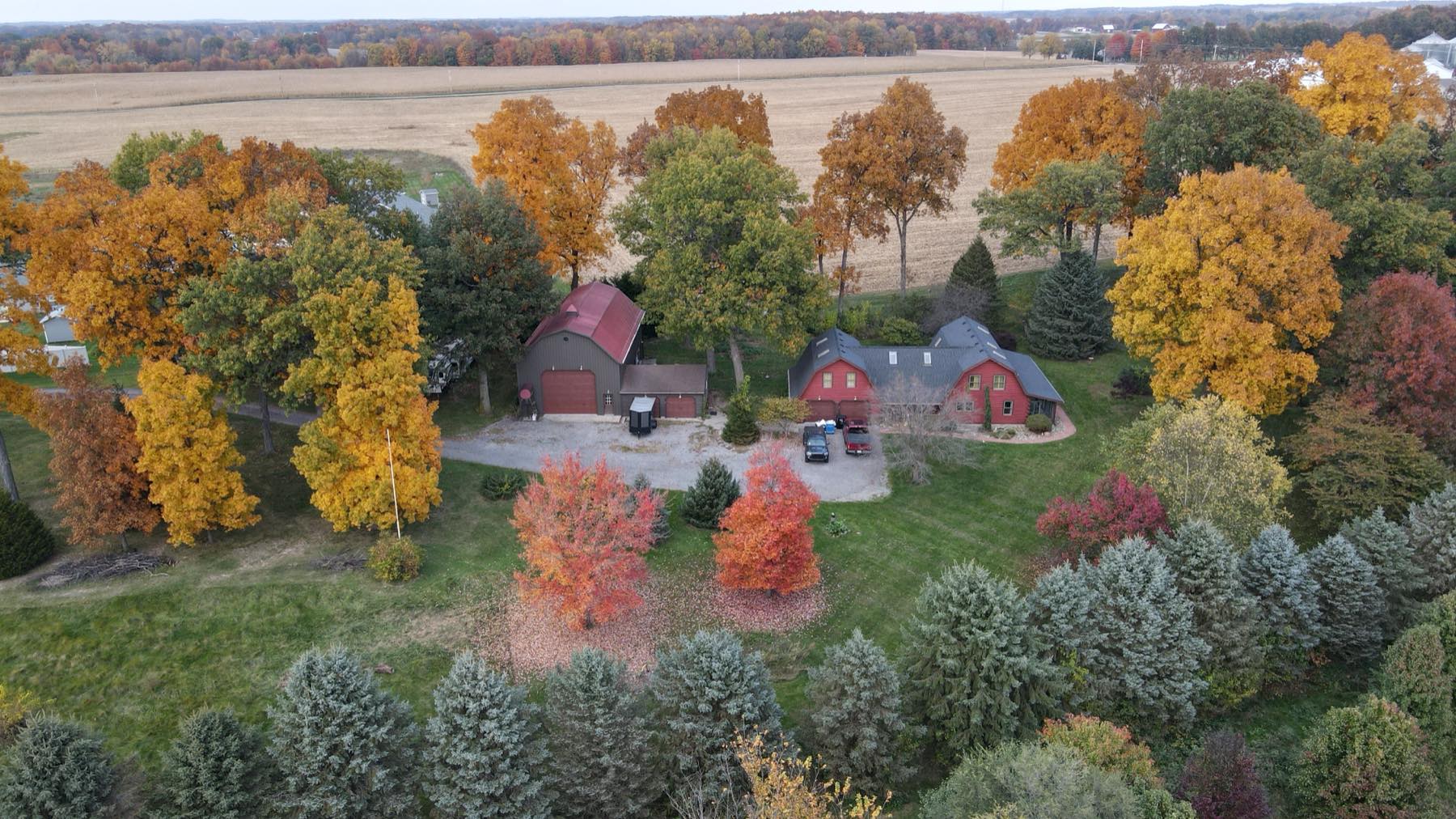
A family farm in Columbia City, Indiana. Marine veteran owned. Est. 2026.
Join the listEverything starts in the soil. We will build ours with grazing animals, compost and cover, and we will not till it.
Good ground grows good food. Eggs, honey, vegetables, beef and milk, raised here and sold to our neighbors.
This is why we do the first two. We want to know what is on our own table, and we want you to know what is on yours.
We are just getting started. Here is what is on the way.
From laying hens that spend their days on grass.
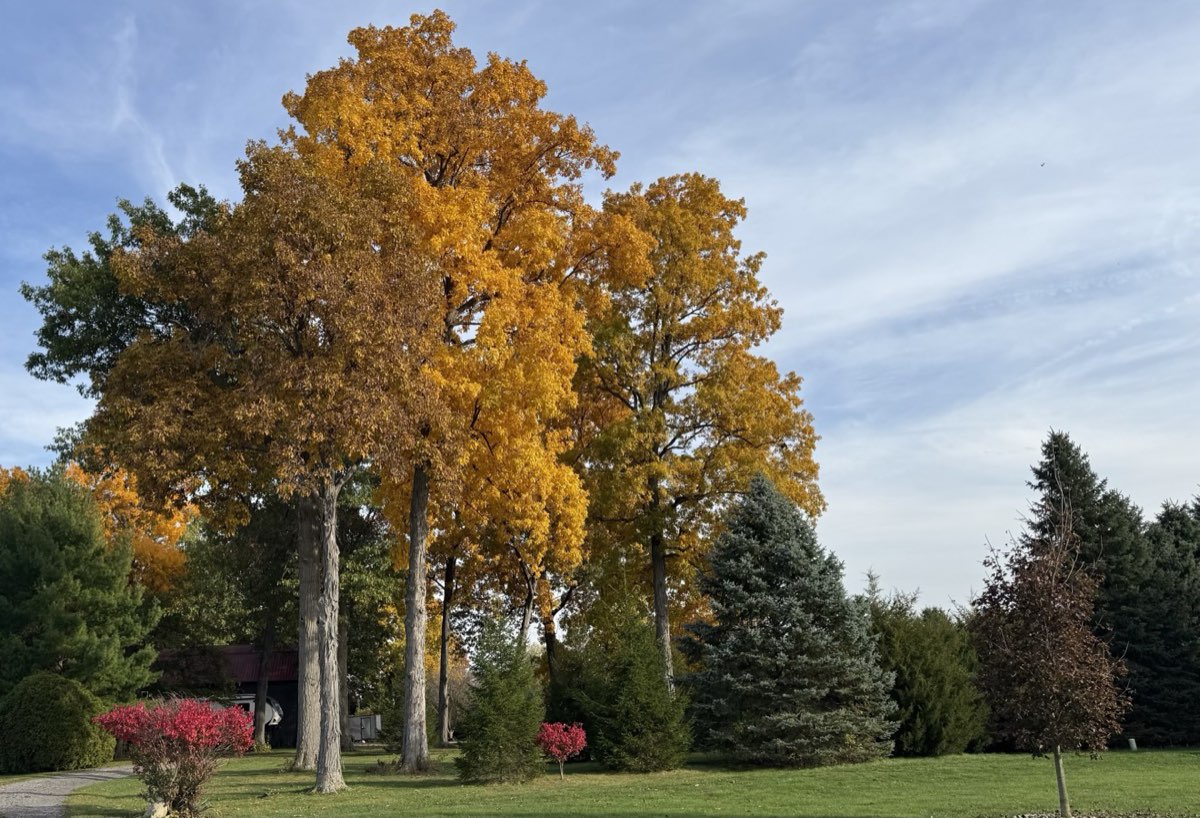
ComingFrom hives on our south line, against the evergreens.
ComingVegetables from beds that are never tilled and always covered.
ComingFrom cattle raised on grass and moved to fresh pasture.
ComingFrom our own cows, on the same grass.
ComingWe did not invent any of this. We learned it from Richard Perkins at Ridgedale Farm, Joel Salatin at Polyface Farm and Will Harris at White Oak Pastures. We are taking their methods, all of them, and scaling them to five acres. Here is how the farm is laid out.
Four paddocks, one in use. The animals will move every few days, by the condition of the ground.
Chickens follow the cows. Their tractors will roll onto each paddock after the cattle leave it.
Layers on grass. The laying flock will live by the barn and spend its days on pasture.
A garden that is never tilled. The beds will be built on top of the ground and kept covered.
Bees on the south line. The hives will sit against the evergreens, out of the wind.
Shelter, not confinement. The barn is for packing and feed. The animals will live outside.
Nothing here will be hidden. Once the animals arrive, write to us and come see it for yourself.
We tell you exactly how your food was raised. Ask us anything.
We name what we use and what we do not.
Animals live on grass and are treated with respect.
We leave the ground better each year than we found it.
We keep our word. If we say it will be ready, it will be.
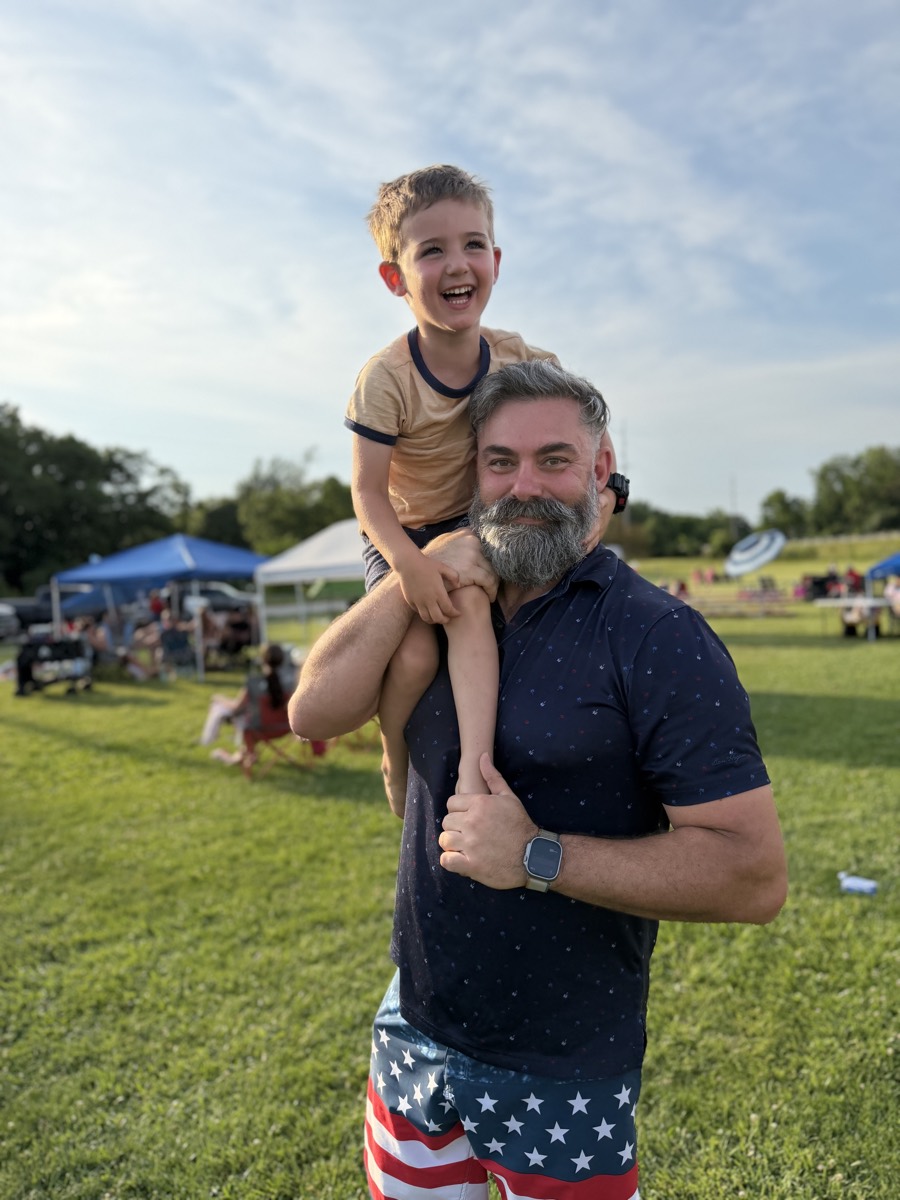
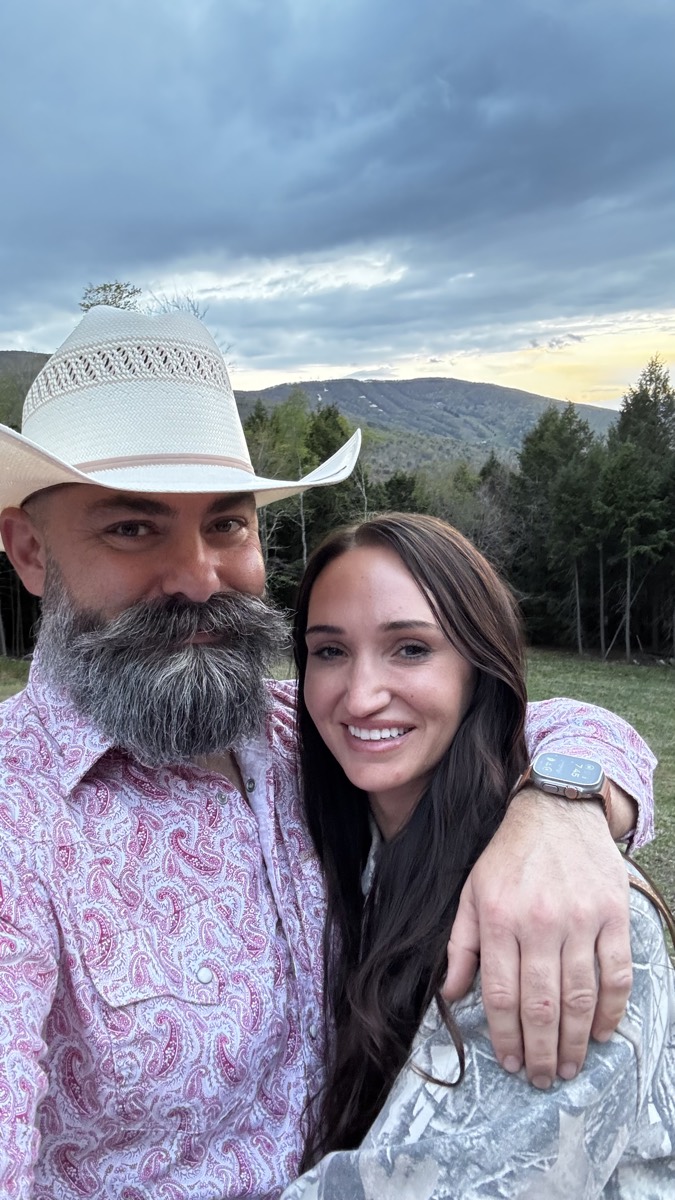
I learned early that home is something you can lose. I was born in Oklahoma, spent my first years bouncing around Texas, and landed in Arkansas before I was old enough for kindergarten. I was a small boy when my mother died. I was too young to hold on to the date and old enough to never forget the hole it left. I spent the rest of my childhood feeling the place where a mother should have been.
Home was not an easy place after that. My grandparents took my sister and me in for a while, and then we lived with my father. It was a hard relationship, but I learned something in those years that has been worth more to me than almost anything since: figure it out. So I did. Nobody teaches you grit. It's hard earned, through the knockdowns life sends your way. You learn from them or you don't, and in the learning, grit is formed. I learned that the world doesn't stop for your grief. You get up, you go to school, you keep going.
Around the sixth grade we moved from Lavaca, Arkansas to Rochester, Indiana, where my father's family has been for generations and the Roe name runs long and deep. I was the new kid all over again. Indiana added dirt to the grit. I'd stay over with friends whose families farmed and pitch in wherever they'd let me. I'd go home wishing I lived on a farm. I never stopped wishing it. Nothing was handed to me. But I'd be lying if I said I did it alone. Every hand up I ever got came from other people, and I have never forgotten a single one of them.
By my junior year I had done enough to graduate early in Indiana. I didn't take it. At eighteen I packed up and moved myself to Texas to live with my grandparents, and spent a senior year I didn't need at a big school in a big city, to see what it could teach a small-town kid. Then I came home in time to walk with my class in Rochester. Some things you finish with the people you started with.
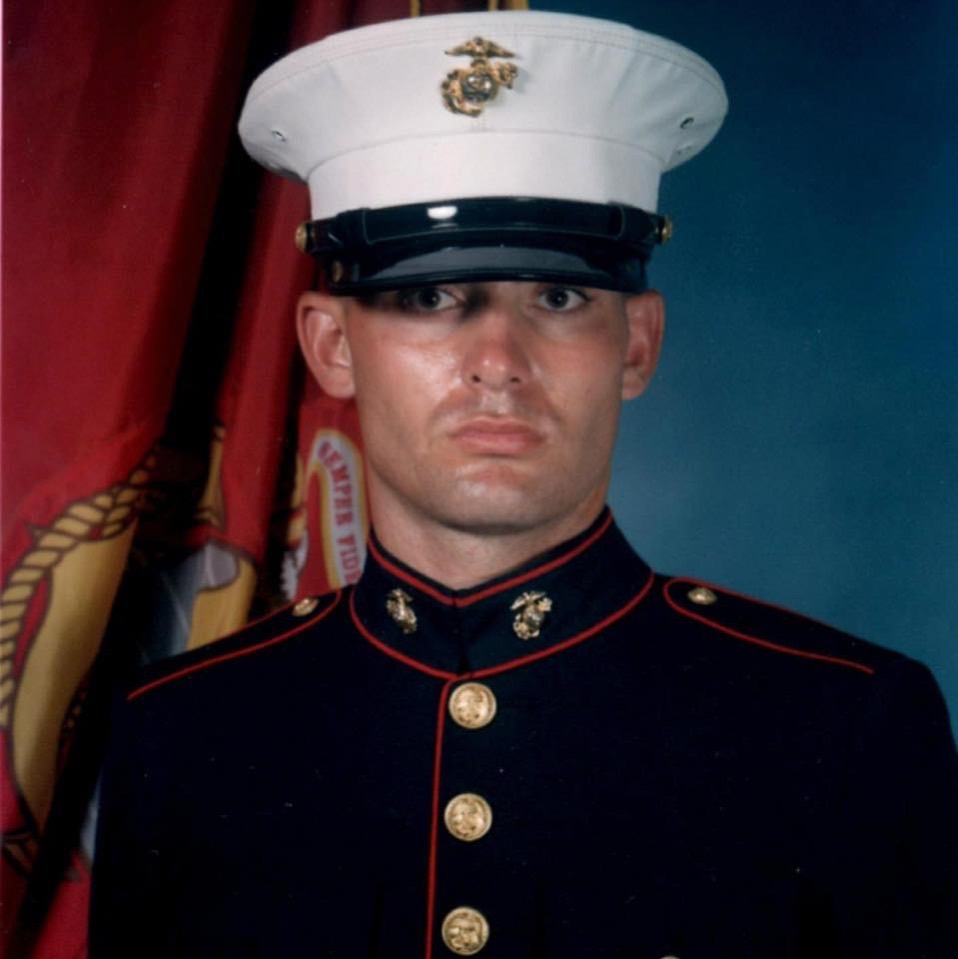
Then I joined the Marine Corps, and it was one of the best decisions I ever made. San Diego, Camp Pendleton, Camp Johnson, Twentynine Palms. The Corps took "figure it out" and gave it a purpose. It gave me friends for life and taught me how to grow up: own your actions, keep your word, and understand that service is an honor we get to carry for those who can't.
After the Marines I worked whatever jobs I could find, then found technology. I started out fixing computers, moved on to defending networks, and then to attacking them: emulating nation-state hackers, using their own techniques, to find the holes before they did. That work led me back to serving my country alongside the Department of War and federal agencies. Through my training I learned the "Try Harder" mindset. It was "figure it out" by another name. Everything I have, I clawed for. All of it taught me that there is always a yes. The only question is whether you're willing to do what it takes to get to it.
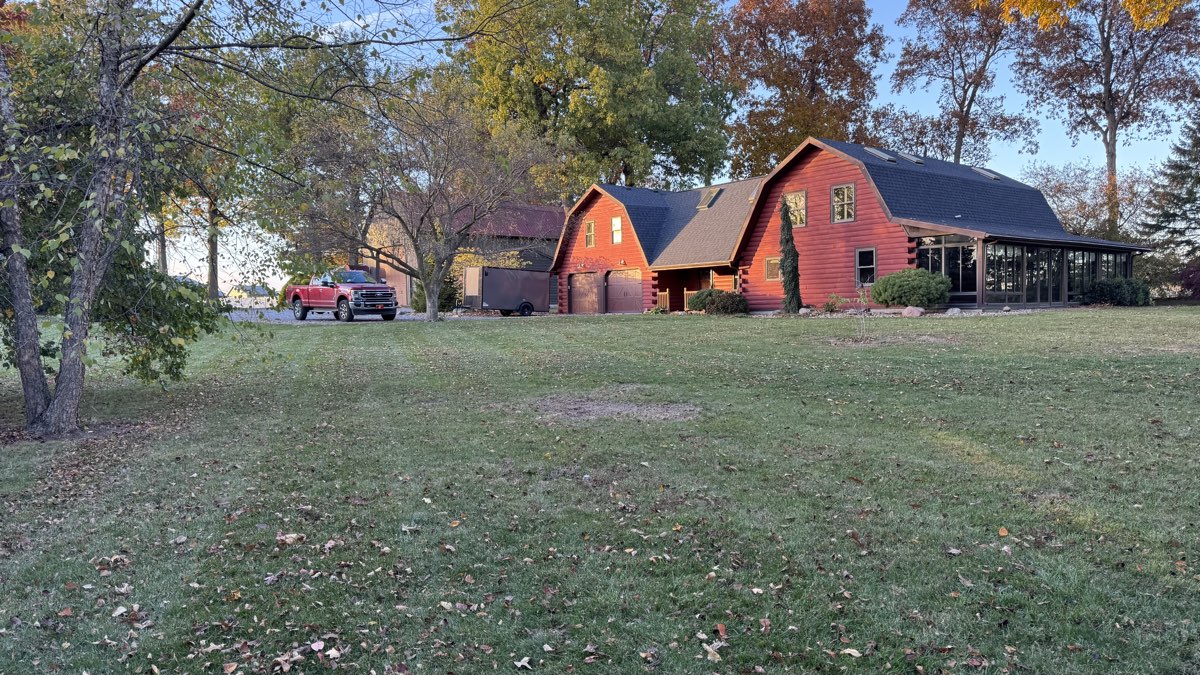
In those years the old wish came back. The more I learned about how our food is grown, what's sprayed on it, and what that does to the soil and to our health, the less I could ignore it. It starts with the ground. Healthy soil grows healthy food, and healthy food builds healthy people. That became the mission: restore ground, restore food, restore health. I wanted land. I wanted a small town. I wanted community again, an anchor, a place where the people around me knew me and I knew them. A place where I could really contribute and help. So after 26 years away, I came home to Indiana and bought a red log cabin on five acres outside Columbia City.
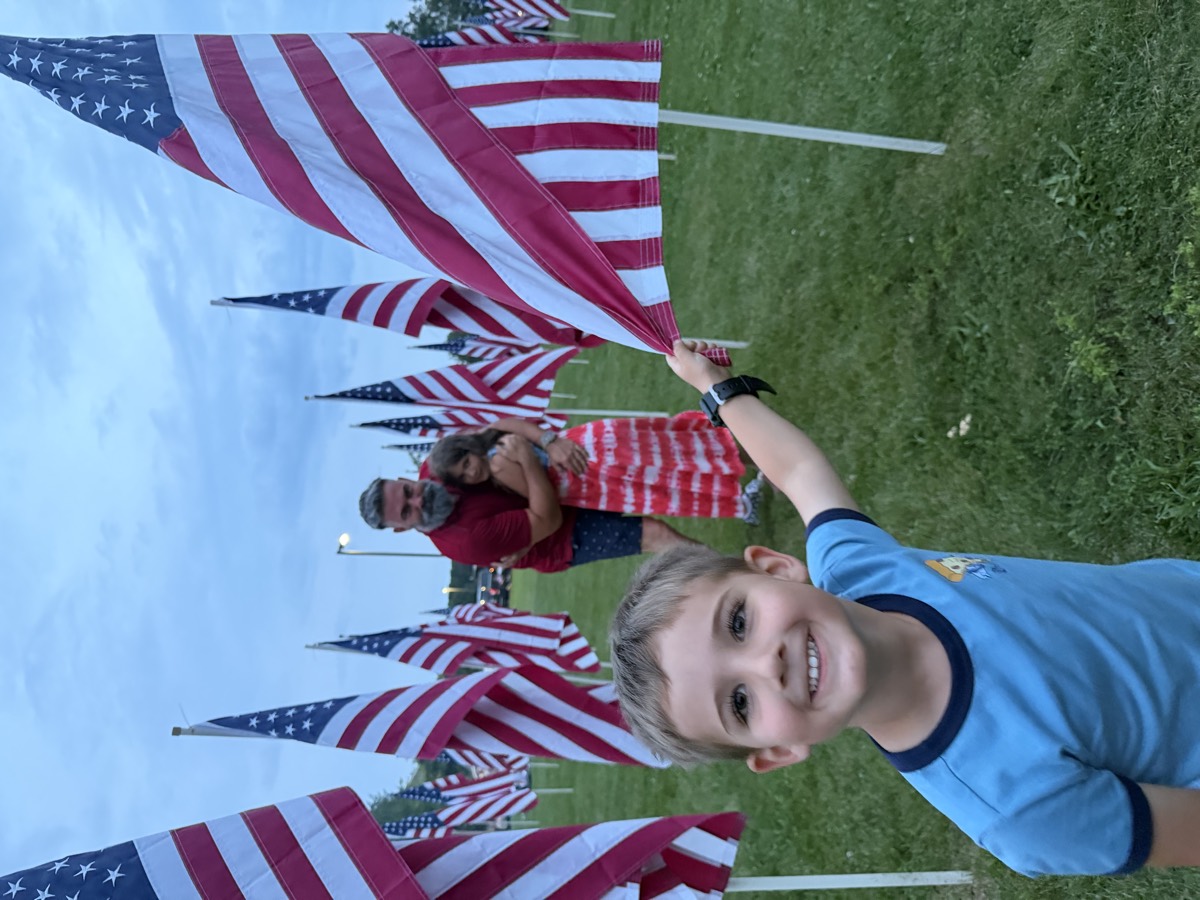
I still work in technology by day. Nights and weekends, I'm out here building: a market garden, laying hens, bees, and pasture for cattle. I'm building it for my wife, Nicole, and for my son and daughter, so the kids grow up on this ground, knowing where their food comes from and how to work for it. And I'm building it for you, the people around us, so you can know the same. I've never farmed for a living. I'll figure it out. There's always a yes.
Jeremiah Roe
The Crossroads of America, and we are glad to be on it. The star is Whitley County.
Be the first to know when our products are ready.